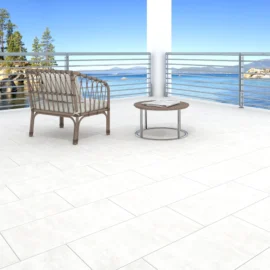
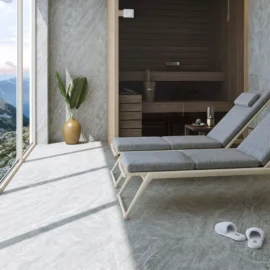
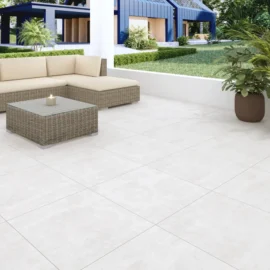
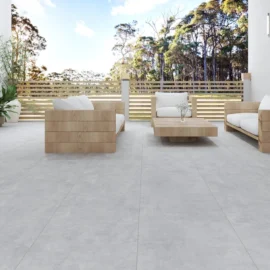
When choosing porcelain tiles, the colour and design usually catch the eye first. However, the surface is just as important because it determines not only how the tiles look, but also the feel to the touch, light reflection, daily maintenance, and how the flooring behaves in wet conditions. Therefore, the question of 'matt or polished porcelain?' has no single universal answer. The right choice depends on the room, the way it is used, and the effect you want to achieve.
What does the surface of the porcelain tile change?
The same colour can look completely different on a matt versus a polished tile. A matt surface scatters light and creates a softer, more natural look. A polished one reflects it, highlighting nuances and adding more shine and depth to the design.
The difference is not just visual. The surface affects how easily dust, droplets, footprints, and cleaning agents are noticed. It also matters for grip, especially in wet rooms, entrance areas, and high-traffic spaces. That is why the choice should start with the purpose of the room, not just a photo or a sample. You can compare different colours, formats, and designs in advance in the selection of porcelain tiles by IZIDA Ceramica.
Matt porcelain tiles: natural look and practicality
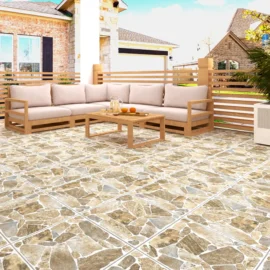
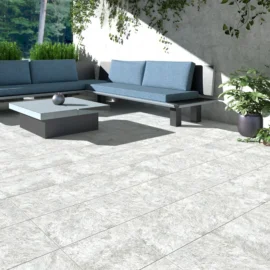
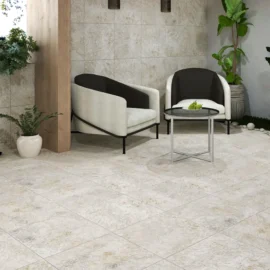
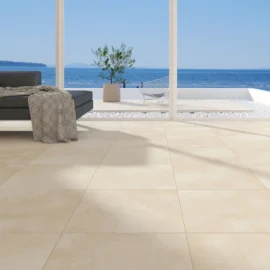
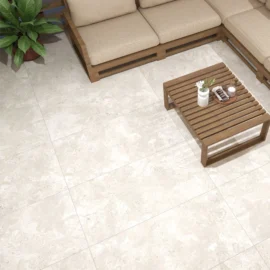
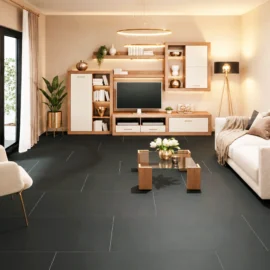
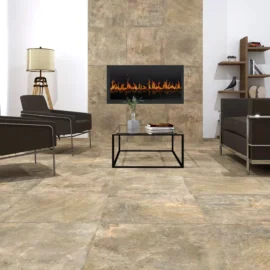
Matt porcelain has an unobtrusive finish without strong reflections. It emphasises the natural look of stone, concrete, cement, or wood and fits perfectly into modern, minimalist, industrial, and Scandinavian interiors. The colours look calm, and the space acquires a balanced and cosy character.
Its great practical advantage is that daily signs of use are usually less visible on it. Dust, small droplets, and fingerprints do not stand out as strongly as they do on a shiny surface. This makes it a very good choice for kitchens, corridors, hallways, family living rooms, and other actively used areas.
A matt finish is often preferred for bathrooms or entrances, but the 'matt' designation itself is not a guarantee of slip resistance. For rooms where the floor gets wet, always check the specific slip resistance rating and the recommended application of the product.
Polished porcelain tiles: light, depth, and elegance
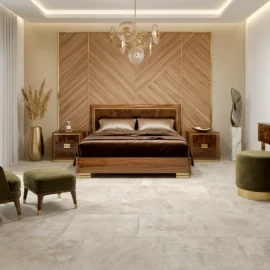
The polished surface reflects light and gives the porcelain an expressive, finished look. It reveals veins, colour transitions, and details more strongly, especially in designs inspired by marble and natural stone. The result is elegant flooring or cladding with a sense of spaciousness and sophistication.
This type of porcelain is particularly suitable for living rooms, dining rooms, hotel spaces, foyers, offices, and accent walls. In a small or darker room, reflections can visually add light and volume. With a large format and precise installation, a polished finish creates the impression of an almost continuous surface.
However, the shine requires a little more attention. Dust, dried droplets, and shoe marks can be more easily noticed on polished tiles. For floor applications in wet areas, it must be carefully checked whether the specific model is suitable and what its grip indicators are. It is not wise to assume that every polished product is suitable for every room.
Matt or polished porcelain according to the room?
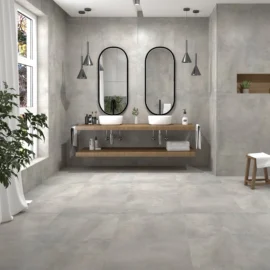
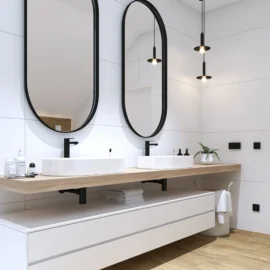
In the bathroom, practicality and safety are paramount. For the floor, a surface with appropriate slip resistance is usually sought, while polished tiles can be used as an effective wall cladding or in a drier area. This combines the comfort of a matt finish with the light of a polished one.
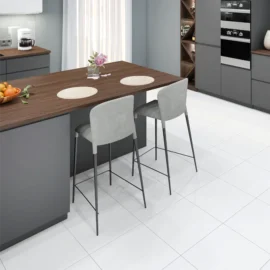
In the kitchen, matt porcelain is a practical solution for the floor because it handles dynamic daily life well and does not require constant removal of visible marks. A polished surface can be a beautiful choice for a wall or an open kitchen, if it is suited to the specific conditions.
For a corridor and hallway, the matt version is usually easier to maintain. There, the flooring is exposed to dust, grit, and frequent movement. In the living room, the choice is freer: matt creates a calm and contemporary atmosphere, while polished porcelain adds more light and sophistication.
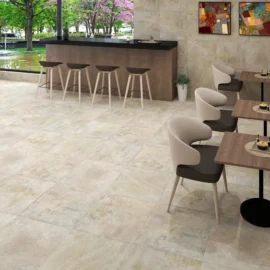
For commercial and public spaces, the decision should be based primarily on load, wear resistance, and safety requirements. The look is important, but technical indicators play a leading role. When the project requires verifiable technical data and compliance with standards, view the certificates and declarations of performance from IZIDA Ceramica.
Can matt and polished tiles be combined?
Yes, and the result can be very impactful. A matt floor and a polished wall in a similar colour create harmony without the interior looking monotonous. Another approach is to use a matt base and a shiny accent that draws attention to a niche, a decorative wall, or a specific functional area.
It is important to evaluate the combination in real light. Daylight, warm lamps, and cold LED light can change the perception of colour and shine. It is advisable to view samples together with the furniture, walls, grouts, and other materials in the project.
Maintenance of matt and polished porcelain tiles
Both types are easy to maintain when appropriate means are used. Regular removal of dust and grit protects the surface, and for routine cleaning, water and a detergent recommended for ceramic flooring are sufficient. Avoid highly abrasive products and follow the manufacturer's instructions.
With polished porcelain, it is important not to leave dried cleaning solution, as it can form visible streaks. With matt textures, attention should be paid to indentations where dirt can be trapped. Proper initial cleaning after installation is also crucial for both finishes.
How to make the right choice?
Start with a few specific questions: will the porcelain be laid on a floor or wall, is the area dry or wet, how intense is the traffic, and how much natural light is there? Then consider whether you are looking for a calm, natural look or a brighter and more elegant effect. Finally, check the technical specifications, as they are a more reliable guide than the general name of the surface.
Matt and polished porcelain are not competing solutions, but two different ways to shape a space. The best choice is the one that combines the desired design with the real conditions of use. Once you have settled on a suitable model, you can find the nearest shop with IZIDA Ceramica products and view the tiles in person.